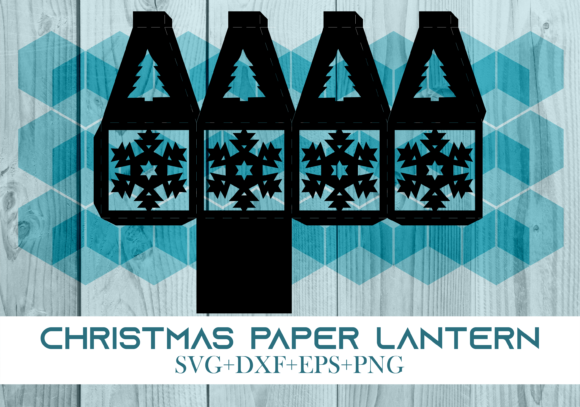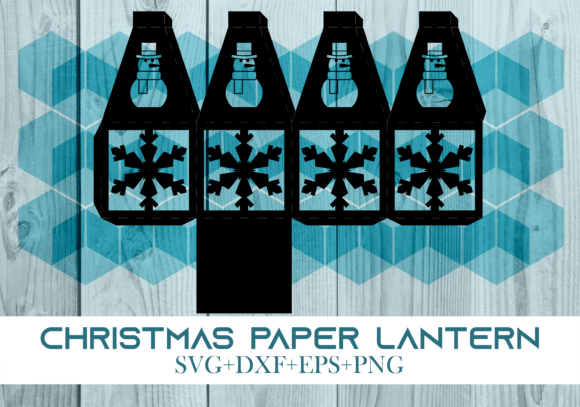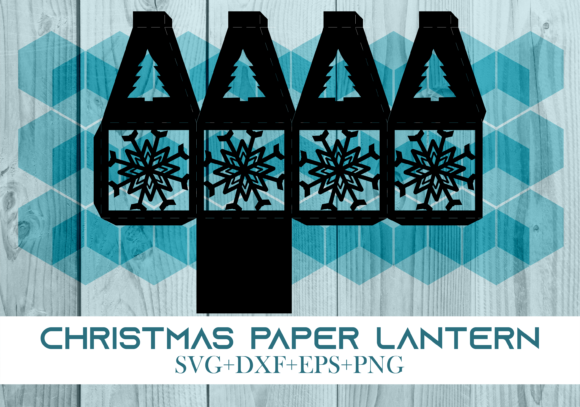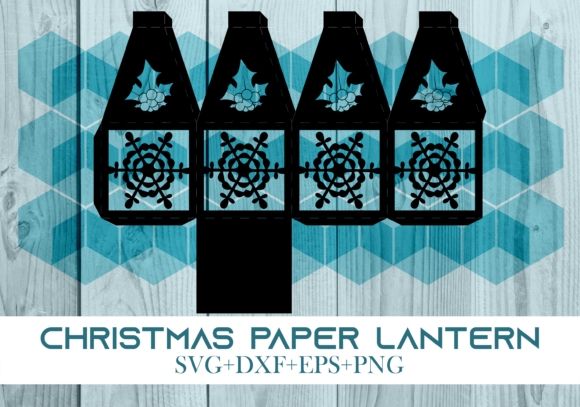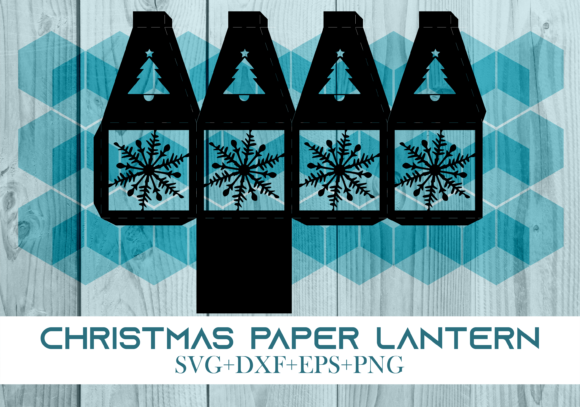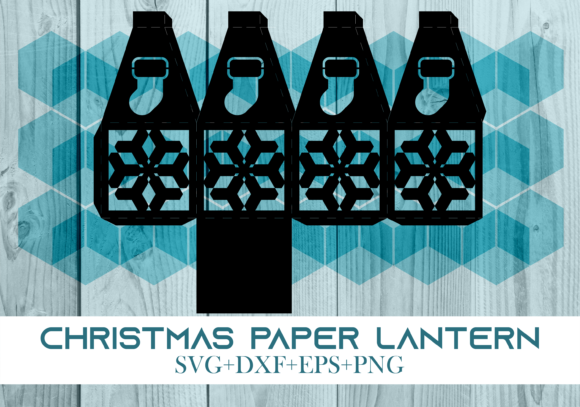
Christmas Paper Lantern Series 0039 Review
As a designer who constantly evaluates digital assets for both personal crafting and commercial production, I approach every new file with a specific set of criteria. When I first opened Christmas Paper Lantern Series 0039, my immediate focus was on its structural integrity and aesthetic versatility. While the product description highlights this as a 3D SVG designed to fit an 8.5 x 11.7 sheet for window or shelf decor, my mind immediately went to adaptation. For embroidery professionals and Etsy sellers, a design like this represents more than just a paper craft; it is a potential blueprint for mixed-media projects, applique templates, or standalone holiday embroidery motifs. The visual personality of this lantern strikes a balance between traditional nostalgia and clean, modern lines, making it a strong candidate for various seasonal products.
Translating Paper Design Concepts to Stitch
The primary challenge and opportunity with Christmas Paper Lantern Series 0039 lies in translation. Since this is originally formatted for paper assembly, the geometric precision is excellent. For machine embroidery designers, this clean geometry is a goldmine. If you are planning to convert this into an applique design or a stitch-based interpretation, the distinct segments of the lantern provide natural break points for color changes and fabric placement. In a recent studio session, I evaluated this layout for a custom embroidered tote bag intended as a high-end holiday gift. The structured shape of the lantern lends itself beautifully to canvas or linen, where crisp edges are essential. Unlike organic, flowing designs that can sometimes lose definition on textured fabrics, the architectural nature of this lantern maintains visual clarity even when stitched on heavier materials.
For those considering this for sweatshirt embroidery or custom apparel, the aspect ratio is key. Because it is designed for a standard letter/A4 sheet proportion, the vertical orientation works exceptionally well on the center chest of a crewneck or down the sleeve of a long-sleeve shirt. However, if you are using the digital embroidery file directly without modification, you must verify the hoop size compatibility. The original dimensions are optimized for paper, so resizing for a 4x4 hoop versus a 6x10 hoop will require careful attention to stitch density to prevent distortion.
Real-World Application: The Holiday Market Tote
To truly test the viability of Christmas Paper Lantern Series 0039 for a small shop product, I mentally prototyped a premium holiday market tote. The goal was to create a personalized gift that felt handmade yet professional. In this scenario, the lantern serves as the central focal point. I envisioned using a cream-colored cotton twill bag with deep red and forest green thread colors to mimic traditional paper lantern aesthetics. The design’s segmented panels allow for a mix of fill stitch and satin stitch borders, creating texture that mimics the folds of real paper.
From a commercial embroidery perspective, this design offers excellent value because of its scalability. It reads well from a distance on a hanging display at a craft fair, but the detail level remains engaging when the customer picks up the finished product. For Etsy sellers, this specific lantern style photographs beautifully. The symmetry makes it easy to center in printable mockups, helping buyers visualize the final result before purchasing. Whether you are selling the physical embroidered item or the digital assets themselves, the recognizable silhouette of the lantern triggers immediate seasonal recognition, which is crucial for buyer engagement during the busy Q4 rush.
Navigating Fabric Limitations and Stabilizer Needs
While Christmas Paper Lantern Series 0039 is versatile, it demands respect for fabric physics. During my evaluation, I noted several areas where caution is necessary. If you are working with stretchy knits for baby embroidery or casual wear, the rigid structure of the lantern can cause puckering if not properly supported. A cut-away stabilizer is non-negotiable here to maintain the geometric integrity of the design. On thin fabrics like voile or lightweight cotton, the stitch density required to define the lantern's edges might be too heavy, leading to tearing or warping. In these cases, I recommend testing the design on scrap fabric first or modifying the file to use lighter running stitch outlines instead of dense satin columns.
Dark fabrics present another consideration. This lantern design relies heavily on contrast to show its dimensional facets. On black or navy material, you may need to add a white underlay or adjust your thread colors to ensure the design doesn't disappear. Additionally, if you are applying this to curved surfaces like caps or rounded pillow covers, the flat nature of the original 8.5 x 11.7 layout may need digitizing adjustments. Distorting the design slightly to accommodate the curve can prevent the "boxy" look that sometimes happens when forcing flat embroidery files onto three-dimensional objects.
Professional Standards for Commercial Use
For creative entrepreneurs and apparel decorators, professionalism hinges on consistency. Christmas Paper Lantern Series 0039 supports brand consistency well because its style is distinct yet neutral enough to pair with other holiday elements. However, before listing any finished product or digital embroidery file for sale, you must confirm licensing. Ensure you have the right to sell items made from this design or to modify and resell the file itself. Customer trust is built on transparency and quality; delivering a product that stitches out cleanly every time reinforces that trust.
I also advise checking the design in black and white mockups before committing to production. This strips away the distraction of color and reveals whether the underlying structure holds up. If the lantern looks muddy or unrecognizable in grayscale, the stitch definition needs work. For those using this as a base for patches, ensure the border is robust enough to support merrowing or heat sealing. Small details, such as the intricate cuts typical of paper lanterns, may need to be simplified for embroidery to prevent needle breaks or thread shredding on smaller hoop sizes.
Final Designer Verdict and Practical Checklist
Christmas Paper Lantern Series 0039 is a compelling asset for the holiday season, bridging the gap between paper craft aesthetics and textile art. Its strength lies in its clean geometry and emotional resonance, making it suitable for everything from nursery decor to boutique merchandise. To ensure success in your next embroidery project, keep these practical notes in mind:
- Verify Dimensions: Always check the actual stitch area against your hoop size before hooping, as paper dimensions do not always translate 1:1 to embroidery fields.
- Test Stitch Density: Run a sample on your intended fabric to ensure the design isn't too dense for delicate materials or too sparse for heavy canvas.
- Contrast Check: Evaluate thread colors against both light and dark backgrounds to guarantee visibility and impact.
- Stabilizer Selection: Match your stabilizer weight to the fabric texture and the complexity of the lantern’s internal segments.
- Licensing Review: Confirm commercial usage rights for both physical handmade products and digital file redistribution.
- Mockup Validation: Use grayscale previews to assess structural clarity before finalizing thread color palettes.
By approaching Christmas Paper Lantern Series 0039 with technical mindfulness and creative intent, you can elevate it from a simple seasonal graphic to a signature piece in your holiday collection. Whether stitched onto a keepsake baby blanket or featured as a standout digital download, this design has the potential to deliver both aesthetic beauty and commercial viability for the thoughtful maker.