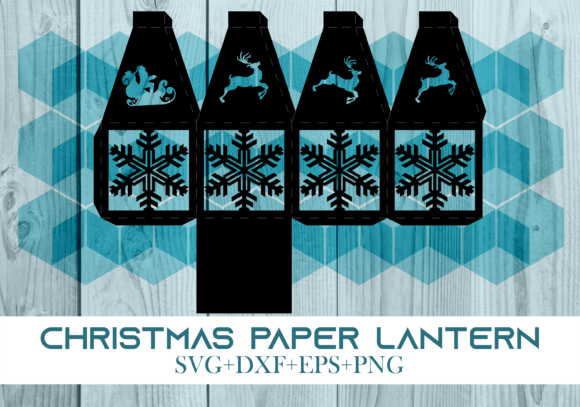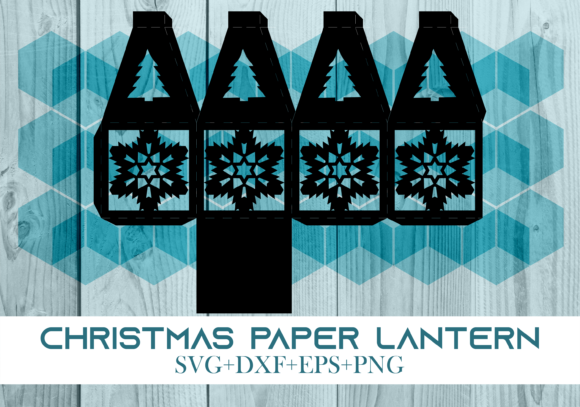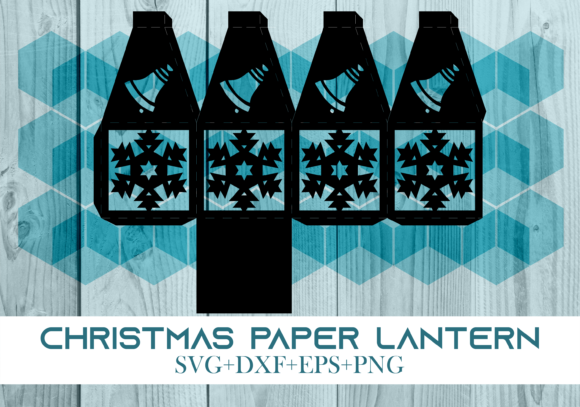
Christmas Paper Lantern Series 0289: A 3D SVG Design for Holiday Content
First Impressions: Festive, Versatile, and Ready for Web Publishing
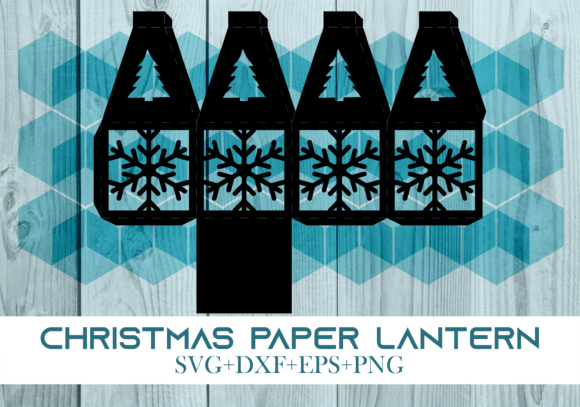
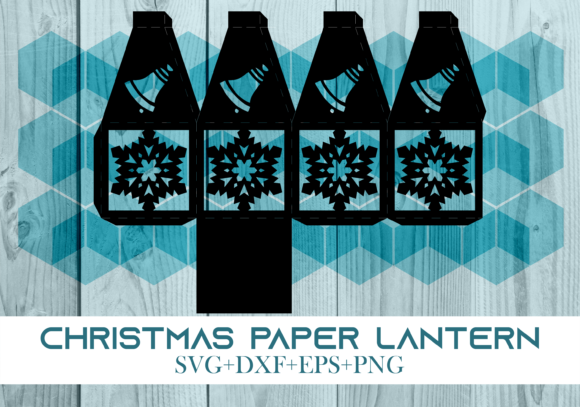
Opening the Christmas Paper Lantern Series 0289 SVG file, I immediately noticed its warm, handcrafted aesthetic. This isn’t just a holiday decoration—it’s a visual storytelling tool for bloggers, newsletter creators, and digital marketers aiming to elevate their seasonal content. The lantern’s soft paper texture and 3D layering give it a tactile feel that translates beautifully across digital formats. Whether used in a blog post header or a downloadable holiday guide, this design asset feels both nostalgic and modern.
It leans into a lifestyle-focused, slightly feminine editorial mood, making it especially suited for niches like home decor, parenting, DIY crafts, and seasonal lifestyle content. The lantern’s gentle glow and clean lines suggest warmth and simplicity, perfect for audiences seeking inspiration or printable holiday decor ideas.
Real-World Use: From Blog Headers to Pinterest Pins
As a blog designer, I’m always on the lookout for design assets that can pull double or triple duty across content formats. Christmas Paper Lantern Series 0289 fits that bill. Here’s how I’d use it in real publishing workflows:
- Featured Images – Overlay the lantern SVG on a soft background with seasonal text for blog headers that feel festive and professional.
- Pinterest Graphics – Resize and simplify the lantern for vertical pins. Its clean silhouette and holiday theme will catch the eye in crowded feeds.
- Newsletter Headers – Use a simplified version as a seasonal banner in email campaigns to reinforce brand identity during the holidays.
- Downloadable Printables – Incorporate the lantern into a holiday-themed worksheet or digital guide as a decorative accent that supports the theme without overpowering the content.
- Canva Templates – Add this SVG to your Canva design library for quick, cohesive holiday-themed content creation across social media, blog graphics, and lead magnets.
How It Supports Content Performance
Visual design is more than decoration—it’s a critical part of content strategy. Christmas Paper Lantern Series 0289 contributes to several key performance factors:
- Better First Impressions – The lantern adds immediate holiday cheer to a page, making it more inviting and engaging at a glance.
- Stronger Visual Hierarchy – When used as a focal point, it helps guide the reader’s eye toward key content elements like headlines or calls to action.
- Increased Click-Through Potential – Especially in Pinterest or social media previews, the lantern’s distinct shape and seasonal relevance can boost engagement.
- Consistent Branding – Reusing this SVG across blog headers, social posts, and newsletters creates a cohesive visual identity that readers begin to associate with your brand.
- Improved Reader Trust – Clean, thoughtful design like this signals professionalism, especially important for affiliate marketers and online educators.
Where It Works Best
This lantern SVG shines brightest when used in the following publishing contexts:
- Hero Images – As a background accent or central visual in a holiday-themed landing page or article header.
- Article Thumbnails – Especially when resized and paired with bold text for Pinterest or blog post previews.
- Newsletter Headers – A simple, stylized version adds seasonal flair to email campaigns without slowing load times.
- Downloadable Resources – Works well in holiday-themed digital guides, printables, and lead magnets.
- Social Media Previews – Especially effective on Instagram Stories or Facebook posts where a clean, festive image stands out.
Where to Use It Carefully
While versatile, Christmas Paper Lantern Series 0289 may not be the best fit in every situation:
- Small Mobile Thumbnails – The lantern’s detail can get lost on tiny screens, so test it at scale before publishing.
- Text-Heavy Blog Images – Avoid placing it behind large blocks of copy where it might distract from readability.
- Low-Contrast Backgrounds – The lantern’s light tones may not pop against muted or dark backgrounds without adjustments.
- Busy Layouts – In complex editorial designs, this SVG can feel cluttered if not balanced with white space.
- Corporate or Minimalist Sites – Its decorative style may not align with ultra-professional or minimal web aesthetics.
Publisher Notes: Practical Tips for Using This Design Asset
Before deploying Christmas Paper Lantern Series 0289 in your content, here are a few best practices to follow:
- Test Across Devices – Preview the lantern SVG on both desktop and mobile to ensure visual clarity and responsiveness.
- Thumbnail Preview – Check how it looks scaled down as a blog or Pinterest thumbnail. Simplify if needed.
- Blog Layout Integration – Drop it into your CMS or Canva template to see how it interacts with headlines and body text.
- Text Readability Test – Overlay common headline fonts (serif, sans-serif, script) to ensure legibility.
- Black-and-White Preview – See how it holds up in grayscale for accessibility and print use cases.
- Font Pairing – Try it with display fonts for headers and script fonts for accent text to match its decorative tone.
- Optimize File Size – Compress the SVG file for faster page load times, especially when used in multiple spots on a page.
- Licensing Check – Confirm you have a commercial license if using it on monetized sites, affiliate pages, or paid digital products.
Final Thoughts: A Seasonal Design Asset Worth Adding to Your Toolkit
The Christmas Paper Lantern Series 0289 SVG is more than a holiday decoration—it's a flexible graphic design asset that enhances blog visuals, digital guides, and social media graphics. Whether you're creating a holiday-themed lead magnet, designing a Pinterest pin, or sprucing up a newsletter header, this lantern SVG brings a touch of warmth and professionalism to your content ecosystem.
For content creators, digital marketers, and small business owners, it’s a smart addition to your visual toolkit—especially when you need seasonal flair that still feels polished and brand-aligned. Just be mindful of where and how you place it, and always test it within your real publishing workflows before going live.